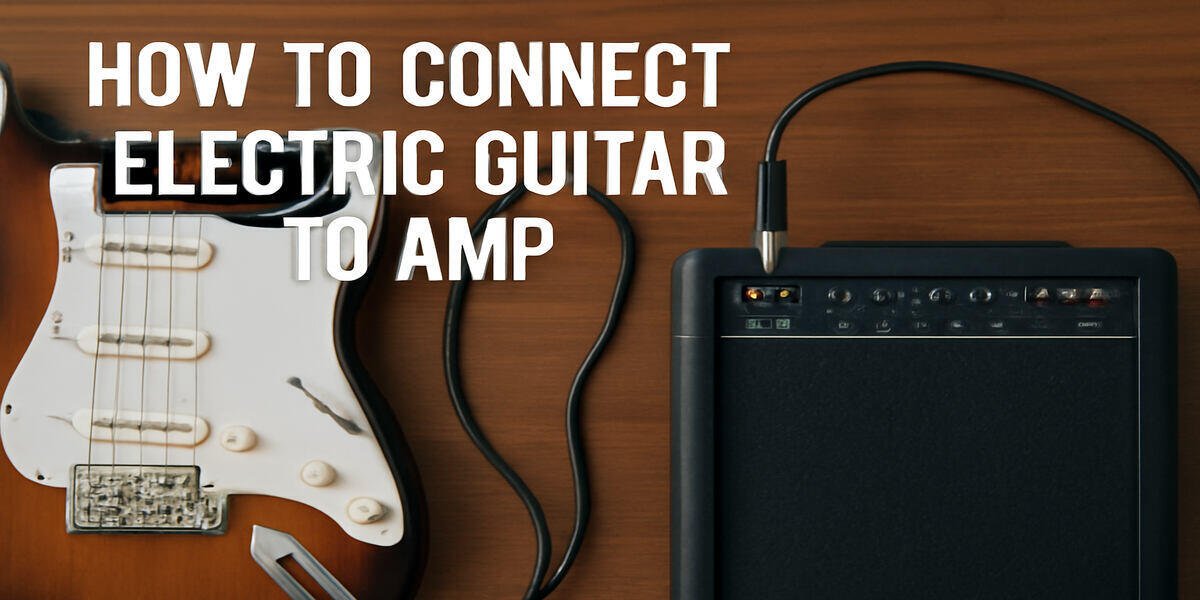
How to Connect Electric Guitar to Amp: A Step-by-Step Guide
If you’re new to playing electric guitar, one of the first things you’ll need to do is connect your instrument to an amplifier (amp). This process is simple, but it’s essential to understand how to do it correctly to ensure the best sound quality and avoid damaging your equipment. In this guide, we’ll walk you through the necessary steps to properly connect your electric guitar to an amp.
What You’ll Need:
- Electric Guitar
- Guitar Amplifier
- Instrument Cable (1/4-inch TS cable)
- Power Source (for both the guitar and amp)
Step 1: Choose the Right Cable
The most common type of cable used to connect an electric guitar to an amp is a 1/4-inch TS (Tip-Sleeve) instrument cable. This is a mono cable designed specifically for guitar signals. Make sure you don’t use a TRS (Tip-Ring-Sleeve) cable, which is for stereo or balanced signals, as it may cause issues with the sound.
Step 2: Plug the Cable into Your Guitar
- Take one end of your 1/4-inch instrument cable and plug it into the output jack of your electric guitar. The output jack is typically located near the guitar’s bottom, where you will insert the cable’s plug.
Step 3: Connect the Cable to the Amplifier
- Take the other end of the cable and plug it into the input jack on the amplifier. The input jack is usually labeled as “Input” or “Guitar”, and it’s typically found on the front panel of the amp.
- Be sure to insert the cable firmly to ensure a secure connection. Loose connections can lead to unwanted noise or signal dropouts.
Step 4: Power On Your Equipment
- Before you power on your guitar amp, make sure the volume knobs on both the guitar and amp are set to a low level. This will help avoid sudden loud noises when you turn everything on.
- Turn on the amplifier using the power switch. Wait for the amp to fully power up.
Step 5: Adjust Your Settings
- With your guitar plugged in and the amp powered on, slowly increase the volume on your amp to a comfortable level.
- Adjust the tone settings (such as bass, mid, treble) on your amp according to your preferred sound. Some amps also have gain or overdrive controls, which you can tweak to add distortion or effects.
Step 6: Test the Sound
- Strum your guitar and listen for any sounds coming from the amplifier. If you hear nothing, check that the cable is securely connected to both the guitar and the amp. Also, check if the amp is on the correct input channel or mode.
- If you hear unwanted noise or distortion, adjust the volume levels or settings on the guitar and amp.
Troubleshooting Common Issues:
- No Sound: If you don’t hear anything, make sure the amplifier is plugged into a power source, turned on, and the volume is set appropriately. Also, check the cable and jack connections on both the guitar and amp.
- Buzzing or Humming: A ground loop or faulty cable can cause interference. Try using a different cable, or check if any electrical appliances nearby are causing interference.
- Distorted Sound: If the sound is unintentionally distorted or crackling, check the gain and volume settings on both the guitar and the amp. It may also be an issue with the guitar’s pickups or settings.
Final Thoughts
Connecting your electric guitar to an amplifier is straightforward, but ensuring the right cables, settings, and connections will help you get the best possible sound. Always handle your equipment with care, and regularly check cables for wear and tear to maintain a smooth playing experience. With these steps, you’ll be ready to rock out with your guitar and amp in no time!